11th International Health Sciences and Management Conference (IHMC 2026)
FINAL STATEMENT
Konya, May 8, 2026
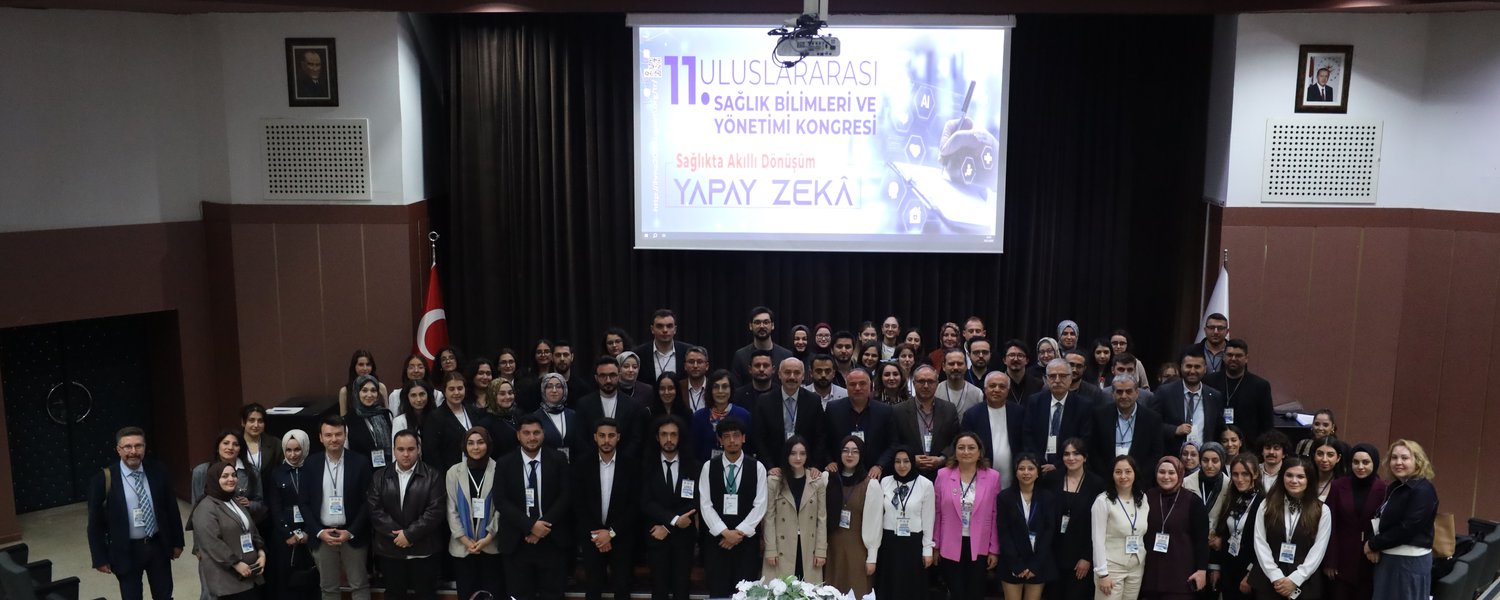
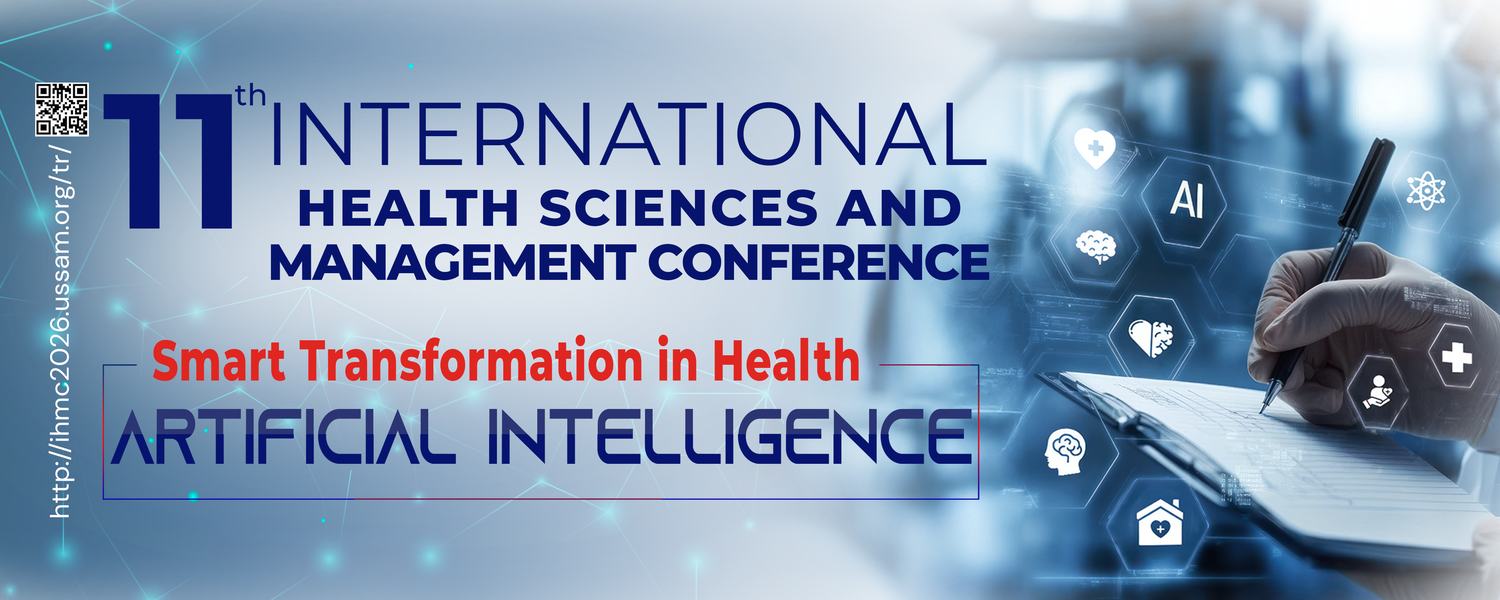
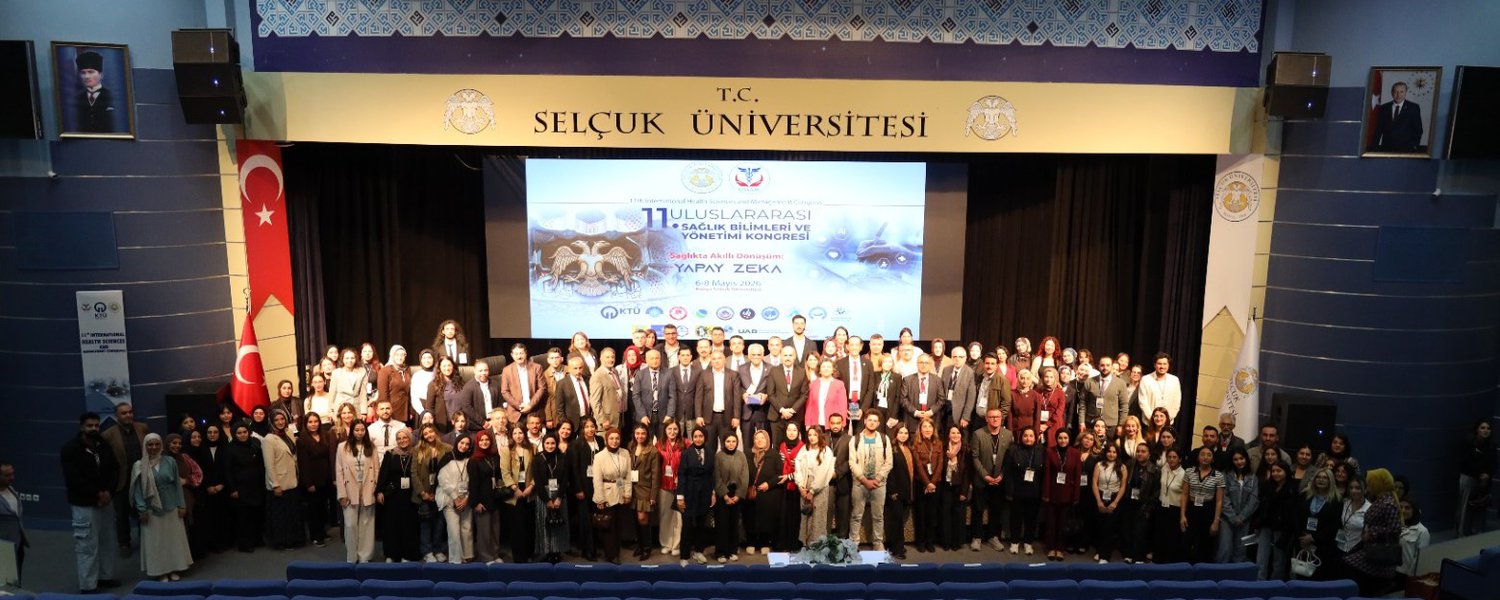
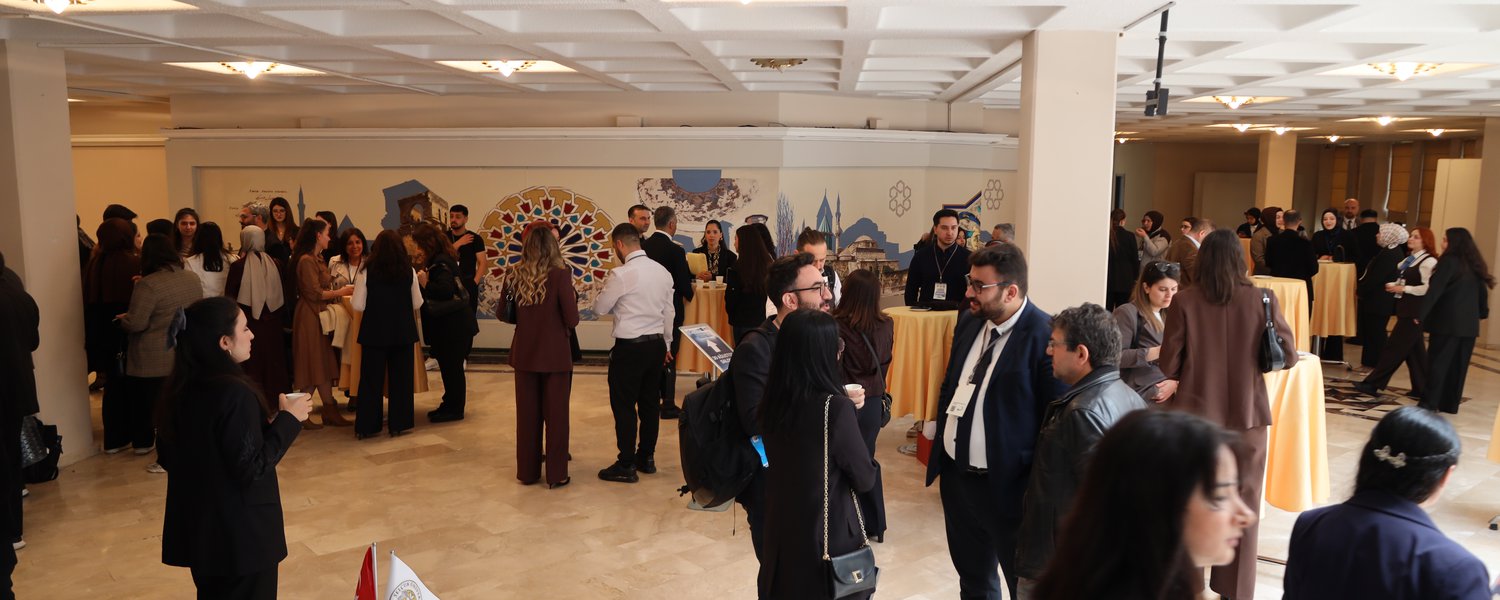
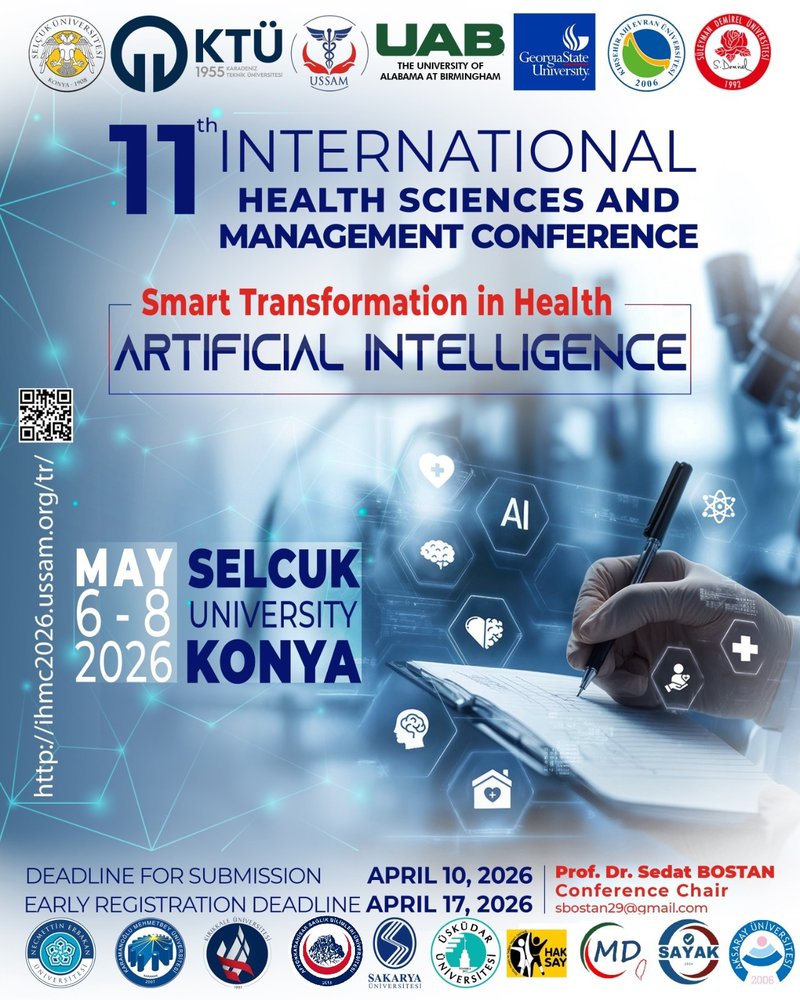
The 11th International Health Sciences and Management Conference (IHMC 2026), hosted by the Department of Health Management, Faculty of Health Sciences, Alaeddin Keykubat Campus, Selçuk University, was successfully completed in Konya between May 6-8, 2026, bringing together national and international participants in physical and digital halls under the main theme of "Smart Transformation in Healthcare: Artificial Intelligence". General Framework of the Conference
The IHMC Conference series, which was started in Gümüşhane in 2015, hosted its guests this year in Konya, an ancient city that served as the capital of the Anatolian Seljuks and Karamanids, and which left its mark on human history with Çatalhöyük, a UNESCO World Heritage Site, following established scientific cities such as Sofia, Istanbul, Trabzon, Isparta and Sivas. The Conference brought together researchers, administrators, policymakers, and health professionals from a wide geographical area under the same scientific umbrella, offering both physical and digital participation opportunities.
Opening Ceremony and Invited Speakers
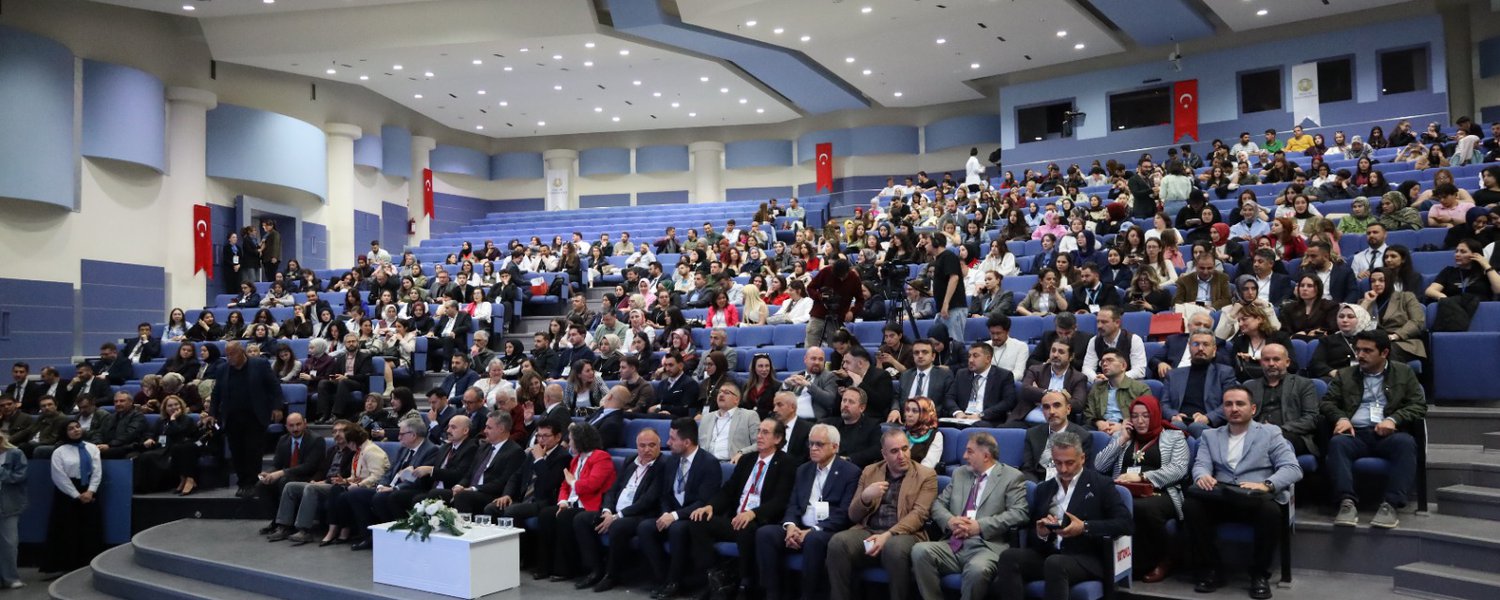
The Opening Ceremony, held on Thursday, May 7, 2026, in the 30 August Hall, provided a strong start to the scientific program with opening speeches, a musical recital, and invited speaker (keynote) presentations, following a moment of silence and the recitation of the National Anthem. In the session moderated by Prof. Dr. Haydar Sur from Üsküdar University, Prof. Christopher E. Johnson from Georgia State University, Assoc. Prof. Ferhat Zengül from The University of Alabama at Birmingham, and Assist. Prof. Serdar Aydın, also from Georgia State University, shared their perspectives on smart transformation in healthcare and the managerial implications of artificial intelligence with the participants. This session concretely demonstrated the organic link between the Conference and the international academic network. Scientific Content and Scope
The presentation sessions were structured around five main thematic axes: (1) Digital Health, Artificial Intelligence and Telemedicine; (2) Hospital Operations and Clinical Services; (3) Health Policy, Economics and Law; (4) Organizational Behavior and Human Resources; (5) Patient Safety, Quality and Public Health. A total of 153 papers were presented in the physical Conference: 84 in 11 parallel sessions on May 7th and 69 in 11 parallel sessions on May 8th. In the digital (online) program, a total of 55 papers were presented: 28 in 4 sessions on May 7th and 27 in 4 sessions on May 8th; in total, over 200 papers were made available to the academic community in both physical and digital formats over the two-day program. The main topics covered included artificial intelligence and health, smart cities, public health and digital transformation, generative AI and the Internet of Things in medicine, management decision support systems, home care and remote healthcare services, personalized medicine, e-health, health economics, health law, patient rights and safety, emergency medical services and disaster management, telemedicine, mobile health, health technology assessment, value-based healthcare, human resources management in healthcare institutions, green hospitals and sustainability, disadvantaged groups, and social and psychological support services. This broad thematic framework was a concrete reflection of the Conference's holistic approach and interdisciplinary depth in the field of health management.
Key Findings and Calls from the Conference
The findings and calls distilled from all the panel, presentation, and session discussions held during the congress can be summarized as follows:
• Artificial intelligence is no longer an optional tool in healthcare management; it is an integral part of planning, resource management, and patient care processes.
• Designing algorithms in a transparent, auditable, accountable, and ethical manner is essential for data privacy and patient safety.
• For technological transformation to be inclusive, special policies and equal access mechanisms for disadvantaged groups must be implemented.
• Healthcare managers and academics should adopt artificial intelligence literacy as a fundamental competency; this competency should be incorporated into undergraduate and graduate curricula.
• The use of generative artificial intelligence tools can be considered a legitimate facilitator in increasing scientific productivity; however, it should be implemented in an integrated manner with the principles of academic originality, ethical integrity, and scientific responsibility.
• Green hospitals, carbon footprint reduction, and sustainability have become priority management agendas for healthcare institutions.
• Strengthening the bridges between health policy makers and the academic world is vital for the development and implementation of evidence-based health policies.
Conference Series and Publication Platform
The IHMC conference series has a sustainable publication platform under the umbrella of USSAM with the Journal of International Health Sciences and Management (JIHSAM). This year, it is strongly encouraged that the original research presented at the conference be transformed into full-text articles in peer-reviewed scientific journals, thus making a lasting contribution to the field.
With the hope of meeting again with science and hope at the 12th International Health Sciences and Management Conference…
On behalf of 11th IHMC 2026
Prof. Dr. Mehmet Nurullah Kurutkan
Konya, May 8, 2026
Dear Participants of the 11th International Conference of Health Sciences and Management,
IHMC Conferences, which has made it its mission to bring the deep-rooted, controversial, and pioneering issues in the field of health management to the forefront on a scientific basis, has chosen “Smart Transformation in Health: Artificial Intelligence” as its main theme this year.
The fundamental purpose of healthcare services is to ensure the physical, mental, and social well-being of individuals. To achieve this goal, healthcare managers are expected to keep abreast of current developments and take advantage of new applications. As is well known, healthcare management is a field that is constantly evolving with technological advances and is open to innovation. In recent years, one of the most important elements of this transformation has been artificial intelligence applications. Artificial intelligence makes significant contributions to the planning of healthcare services, the effective use of resources, and the improvement of patient care processes through big data analysis, machine learning, and decision support systems.
Artificial intelligence provides healthcare managers with a powerful tool, particularly in areas such as the rapid and accurate analysis of patient data, early diagnosis of diseases, personalization of treatment plans, and automation of administrative tasks. This improves service quality and makes it possible to control costs. Healthcare sector managers should adopt an approach that considers all stakeholders for the well-being of individuals and society and lead the field with innovative solutions.
For these reasons, in order to build scientific knowledge on the subject, the theme of “Smart Transformation in Healthcare: Artificial Intelligence” will be discussed in all its dimensions by experts from Turkey and abroad in the panel and presentation sessions of the 11th IHMC conference.
As is well known, the aim of IHMC conference is to prepare the ground for the international sharing of scientific knowledge, skills, and experience in the field of health management and healthcare institution management, extending from the local to the global level. At the same time, the conference aims to facilitate global knowledge sharing by bringing together scientists, especially young researchers, policymakers, practitioners, and managers from different countries, emphasizing the importance of healthcare management and contributing to the process of professionalization of healthcare management globally.
Our conference will be hosted by the Department of Health Management, Faculty of Health Sciences, Alaeddin Keykubat Campus, Selçuk University, and will be held between May 6-8, 2026. We would like to note that the congress will provide participants with the opportunity to see our city of Konya, which is rich in natural and historical treasures. Konya is home to Çatalhöyük, one of the world's oldest settlements, added to the UNESCO World Heritage List in 2012, and was also the capital of the Anatolian Seljuks and the Karamanids.
Our conference offers both physical and digital participation options. We look forward to receiving your studies that establish a connection between the main theme and health sciences and management.
Your participation in our conference will be an honor for us. With our best wishes…
| Prof. Dr. Sedat BOSTAN | Prof. Dr. Yunus Emre ÖZTÜRK | Prof. Dr. Ramazan ERDEM |
| Conference Co-Chair | Conference Co-Chair | Conference Co-Chair |
| Karadeniz Technical University, Turkiye | Selçuk University, Turkiye | S. Demirel University, Turkiye |